Why culture is becoming the new currency of client entertainment
The corporate dinner isn’t dead, but it has lost some of its pull.
We’re all more conscious of our time now. A forgettable dinner is competing with the sofa, and let’s be honest – more often than not, the sofa wins.
If guests are going to give up an evening, they want to feel it was worth it: an experience they couldn’t have had anywhere else.
We’re seeing this shift first hand, with more clients asking us to create events that offer something beyond the traditional dinner or drinks reception, with culture increasingly at the heart of what they’re looking for.
The numbers back it up. Despite our love for staying in and connecting online, events was the UK’s fastest-growing marketing category for the second quarter running, per the IPA’s Bellwether Report – and that spending is moving away from scale for its own sake. VenueScanner’s UK analysis found private dining enquiries among corporate clients up 12%, a sign of appetite shifting towards smaller, more intentional gatherings.
This desire for richer, more meaningful client events is where culture could become a powerful tool.
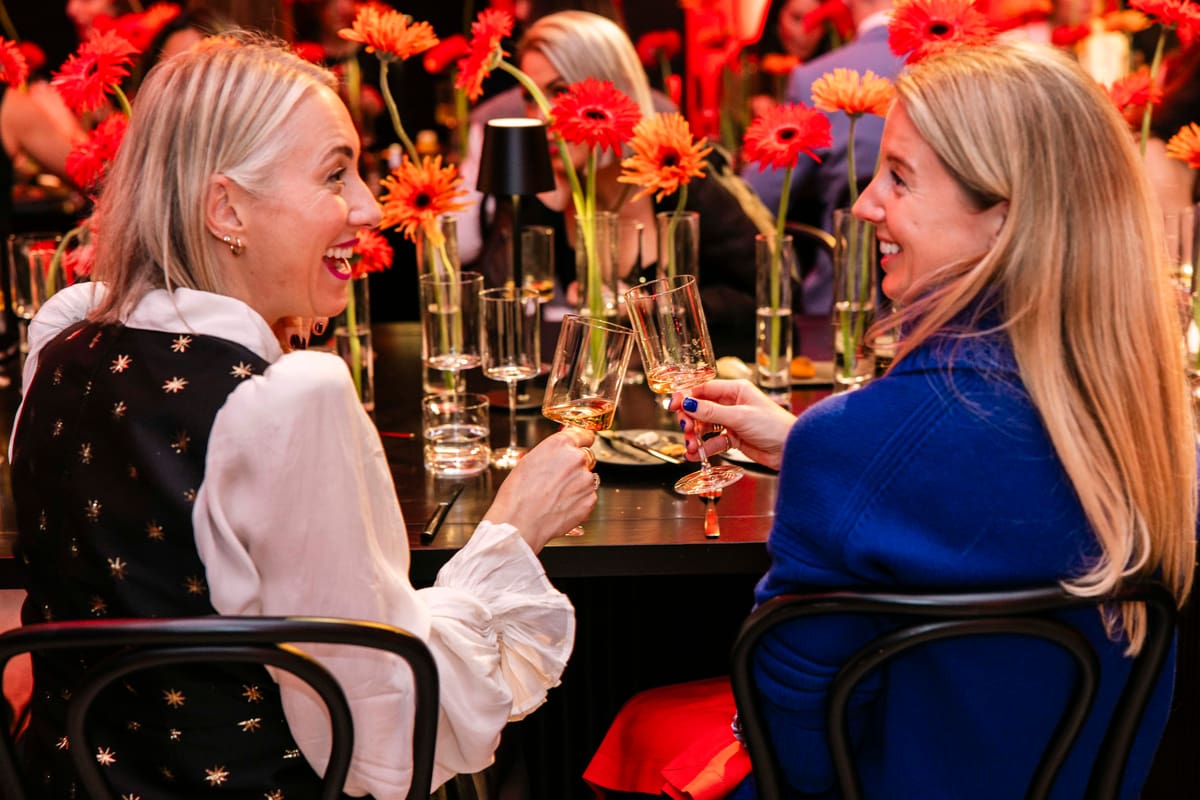
More importantly, it gives something back to the people in the room. A cultural experience offers guests access to something they might not otherwise experience, giving them a sense that their time has been invested in. And when people have something genuinely interesting to discover together, the conversation tends to take care of itself.
The power of culture
There’s something particularly powerful about experiencing art and culture in person.
You can look at artwork online or watch an artist being interviewed, but being there is different, it draws your attention and pulls you into the moment.
It gives people the opportunity to connect with real craftsmanship, and right now there’s a real hunger for things that visibly took time and skill and hands to make – be it art, tapestry, ceramics.
But there’s a distinction worth making, where expertise separates itself from trend-spotting: exhibition-led doesn’t mean exhibition-themed.
Printing water lilies on a menu because the evening is inspired by Monet isn’t necessarily cultural interpretation; it’s decoration. If the reference only shows up in what guests can see, it can end up feeling more like a theme than an experience. For it to be memorable, the influence needs to come through in how the evening actually feels – from the atmosphere and food to the materials, storytelling and entertainment.
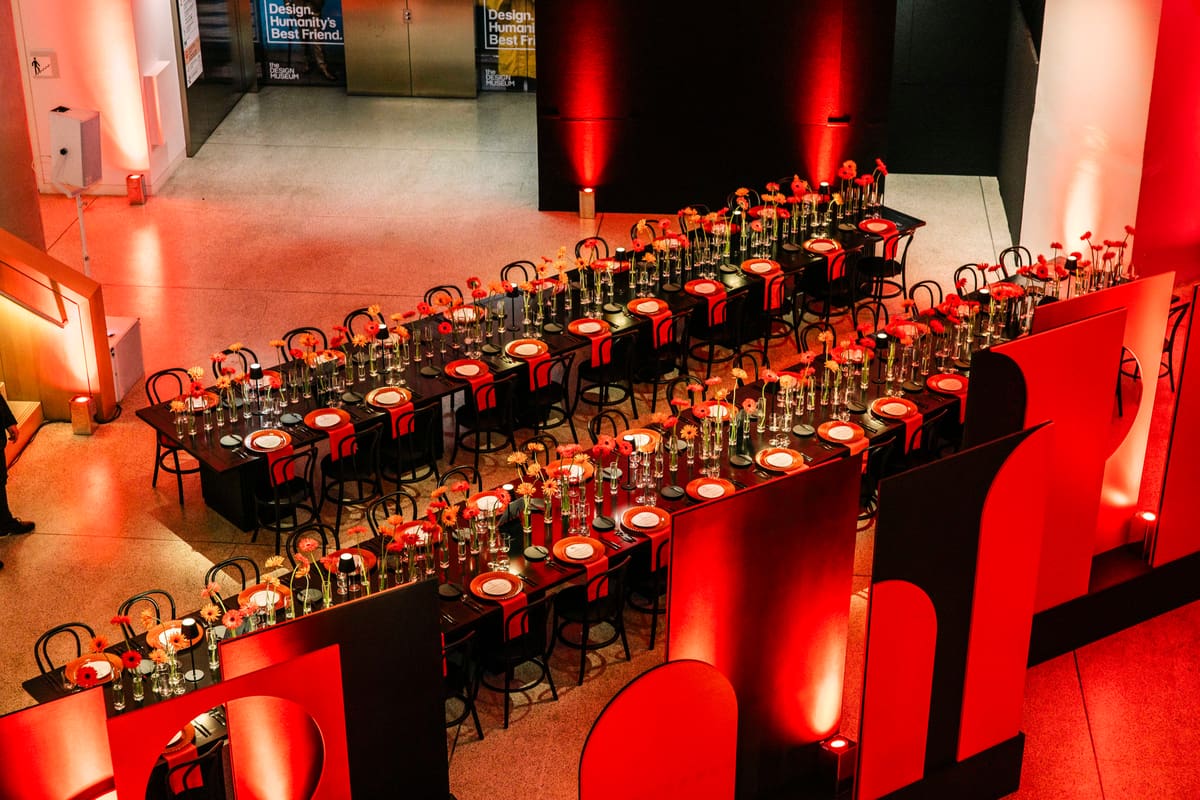
For brands and organisations, that creates an opportunity to do more than simply hire an impressive backdrop. By choosing a cultural venue, an event can contribute directly to the ecosystem it is drawing inspiration from – supporting the institutions, artists and programmes that keep culture accessible and thriving.
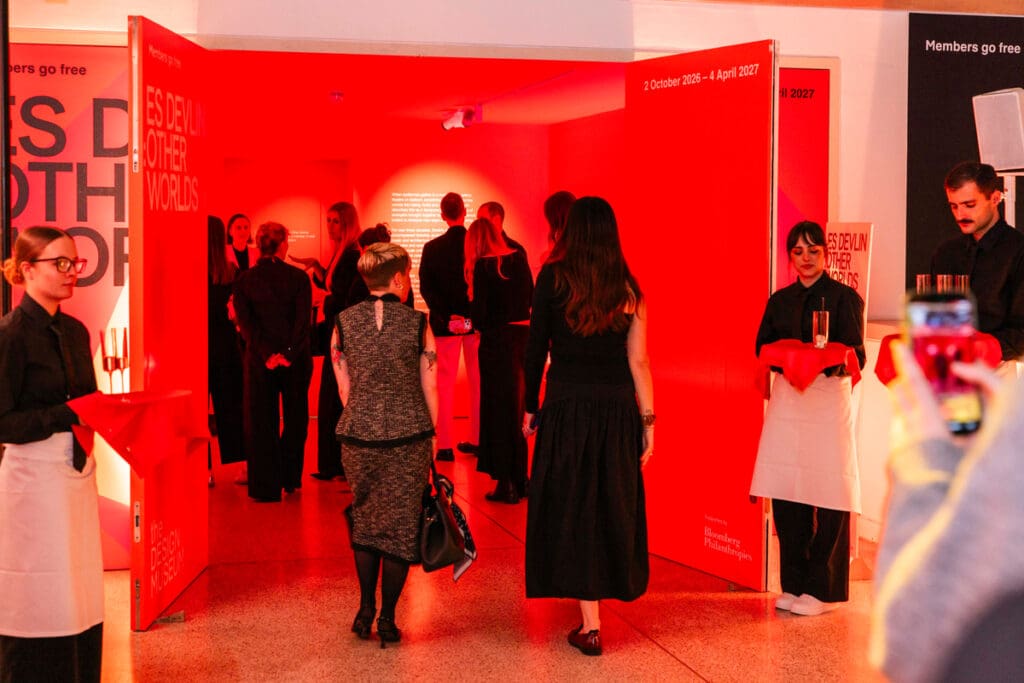
A Monet-inspired dinner might change the quality of light throughout the evening, take its menu from the produce around his village of Giverny or bring in a live artist. An event built around Van Eyck might be reflected more in the craftsmanship of bespoke décor, the use of candlelight and meticulous plating rather than featuring any literal image of his works. An Es Devlin-inspired evening could feature her signature techniques of spatial audio, projected generative visuals and audience participation.
When an event responds thoughtfully to an exhibition or collection, that relationship becomes even more meaningful. It creates a genuine exchange between culture and commerce: the venue gives the event context, creativity and storytelling, while the event helps support the cultural institution behind it.
The social and commercial dividend
For clients weighing up the spend, that draw has a fairly straightforward social and commercial value.
Art exhibitions give people content they actually want to share, while not many people would rush to post a photo of a standard drinks reception. For the brand hosting it, this means the experience is amplified through social posts, impressions and reach. And with so many brands competing for the same client base creating something people genuinely have FOMO about can be a powerful way to stand out.
What’s more, culturally-centred events can help get the right people through the door because they actually want to be there. It also contributes to stronger, more lasting engagement: when a brand puts real thought into an experience, guests notice and feel valued.
If executed well, cultural experiences don’t just ask guests for their time and attention; they give them something in return: access, discovery and an experience worth remembering.
Ultimately, the opportunity isn’t simply to host an event somewhere cultural. It’s to give people access to an experience they genuinely want to be part of, then create the space for connection to happen naturally.